Learn / Home battery storage
Save a little
sunshine
for later.
Your roof makes electricity on the sun’s schedule.
A battery helps it fit yours.
A short story about energy, timing and enough.
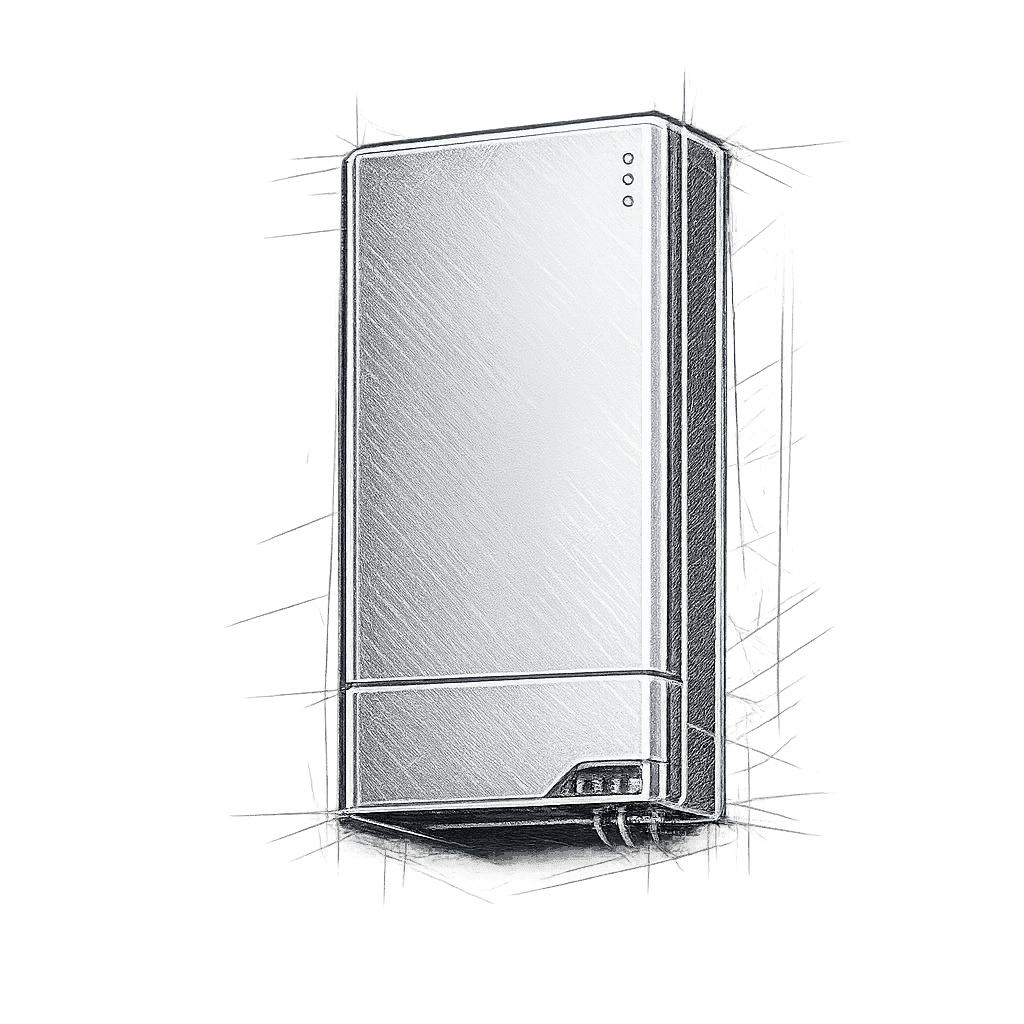
Used after sunset.
A battery does not make more electricity.
It gives the electricity you make another moment.
One home. A different rhythm.
Same sunshine.
More useful timing.
A battery bridges the gap between
when you make it and when you need it.
A new day. A little headroom.
The house starts using electricity before the roof reaches its best. A battery has room to store the surplus still to come.
Scroll through the day, or choose a time.
An illustration of energy flow, not an hourly forecast. Available energy, power limits and losses vary by system.
Find the useful size
Bigger battery.
Smaller gains?
The first few kilowatt-hours can make a big difference. Keep adding capacity and the benefit can flatten out. Try it for this example home.
4.32 kWp solar · Bristol · 3,500 kWh used per year · home half the day (the method’s default).
How the method works ↗Of the solar generated, used at home
1,811 kWh more solar used at home each year.
Annual MCS table estimate, with method caps applied. Results move in capacity bands. This is solar self-consumption, not bill savings or grid independence.
Use this size in the calculatorThe right battery starts
with the right questions.
Follow the full guide to make the assumptions your own.